
Ratel Unfazed by Recent GT3 Evolution
In an evolving landscape of motorsport, the emergence of new GT3 vehicles is drawing attention and sparking discussions among industry analysts and enthusiasts alike. This year marks the 20th anniversary of the GT3 racing formula, a segment celebrated for its embrace of customer racing and competitive accessibility. However, recent developments concerning the design and production of new models have raised questions about the future direction of this category.
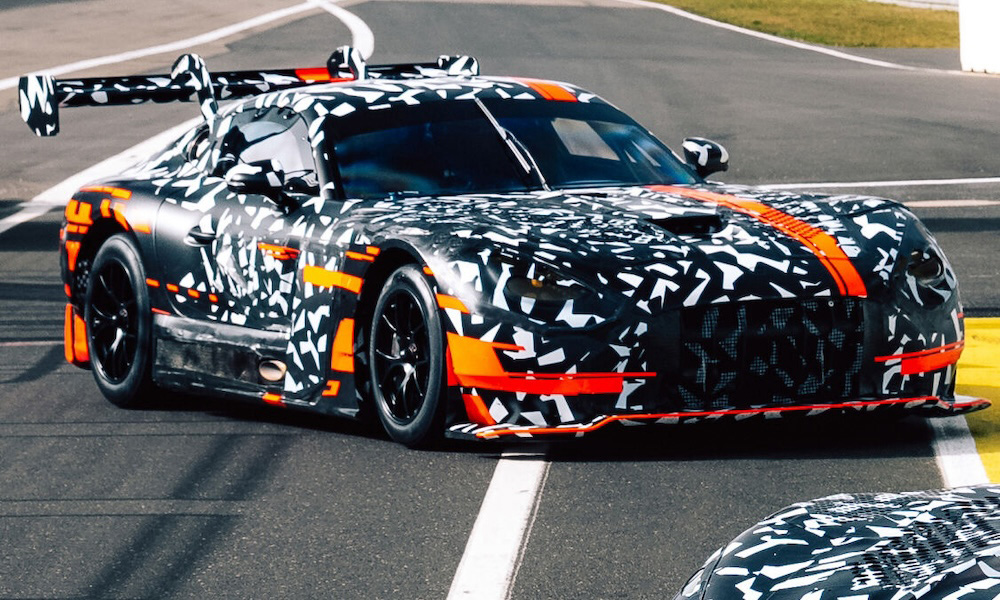
The spotlight is currently on two forthcoming GT3 models: the revamped Mercedes-AMG GT3 and the Toyota GR GT3. Both models represent a shift in the manufacturing approach, as they have been developed primarily for racing before transitioning to production vehicles. This reverse development strategy has ignited concern among experts about potential cost escalations and diminishing relevance to road-going counterparts.
Stephane Ratel, a prominent figure in the motorsport community, expressed his perspective on these innovations during a recent interview at the Nürburgring 24. Ratel indicated that while there are no immediate fears of an arms race regarding GT3 vehicles, he cautioned that pricing and accessibility will be pivotal. The potential for escalating costs could alienate privateer racers, who rely on a balance between competitiveness and affordability.
As Ratel elaborated, the evolution of GT3 vehicles may be influenced by the current trends in the road car market, where newer models tend to be bulkier and less suited for racing applications. This shift could create a disconnect between production vehicles and their racing counterparts, complicating the homologation process. He noted that maintaining customer racing as the core tenet of GT3 will be crucial for its sustainability.
The manufacturers involved have yet to disclose pricing for the new GT3 models, which are expected to be available to customers next year. Ratel voiced concerns about the implications of these prices, emphasizing that if the financial barriers become too steep, it could jeopardize the essential customer racing aspect that has defined the category.
Reflecting on the fate of the GTE category, which was phased out due to escalating costs and a shift toward factory-driven competition, Ratel underscored that the GT3 framework’s focus on customer racing differs fundamentally. It is the grassroots enthusiasm of private competitors that could secure the future vitality of this iconic racing format.
As manufacturers and motorsport regulators navigate this changing terrain, the question remains: can they maintain the equilibrium of accessibility and competition that has characterized GT3 racing for two decades?
#business #entertainment #technology


