
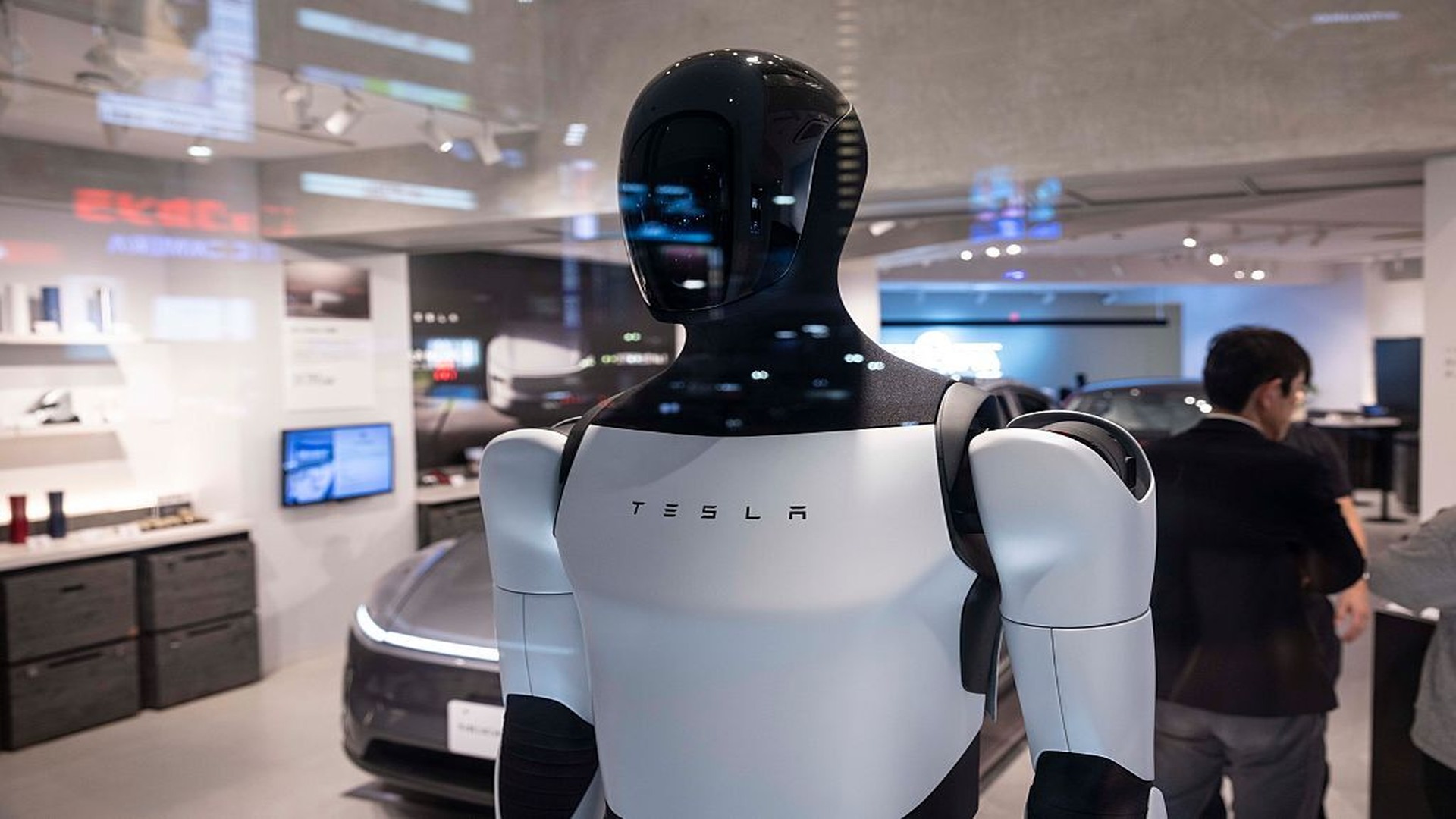
Tesla’s humanoid robot, Optimus, is being developed primarily for factory work, with plans to expand into household chores later. During a demonstration in Austin, Texas, Optimus successfully handed out snacks under remote control, showcasing its ability to grasp and present objects. The company has begun early production in Fremont, California, and anticipates that deliveries to industrial customers could start by late 2027.
Tesla’s Plans for Optimus in Industrial Settings
CEO Elon Musk indicated that the initial focus for Optimus will be on repetitive and hazardous jobs in factories. At the World Economic Forum in January, Musk mentioned that some units were already performing simple tasks within Tesla’s production facilities. He expects these robots to take on more complex tasks by the end of 2026, although specific details about the jobs and the level of human supervision required have not been disclosed.
Challenges in Household Chores and Future Development
While the robot’s industrial applications are prioritized, Musk acknowledged that household tasks would require more advanced dexterity and problem-solving capabilities. For example, performing a full load of laundry would necessitate the robot’s ability to handle various garments and adjust its actions based on the task’s complexity. Tesla aims to enhance Optimus’s capabilities by training it through simulations and real-world practice, gathering data to refine its performance.
The hands of the robot are one of the key areas Tesla is working to improve, as they need to handle diverse objects safely and effectively. Musk has expressed hopes of demonstrating Optimus performing unscripted tasks soon, such as autonomously locating and delivering a snack packet. This would mark a significant step toward the robot’s ability to function independently in both industrial and domestic environments.


