
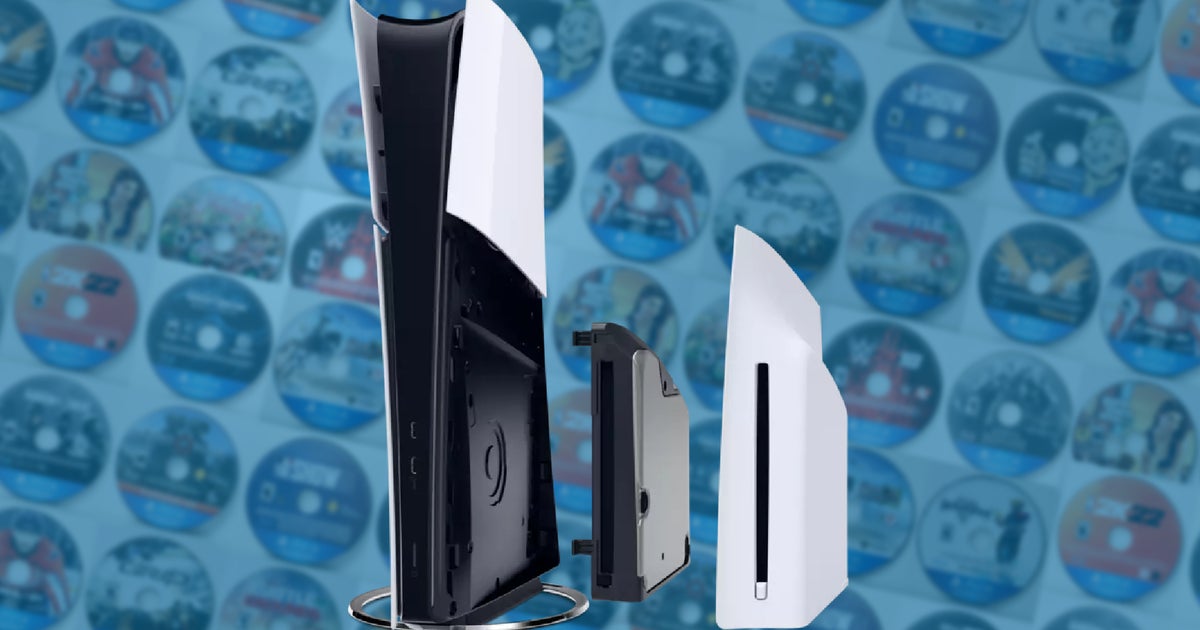
Sony reduces PlayStation disc production by 10 percent, not 90 percent as previously reported
Sony has recently addressed a surge of reports concerning the potential reduction of PlayStation disc manufacturing, emphasizing the need for clarity following what it described as a misunderstanding of earlier statements made by a company executive. According to a media source that sought clarification from the Sony Digital Audio Disc Corporation (DADC), projections indicate that disc output will experience a decline of approximately 10 percent by the year 2028, rather than a drastic cut to merely 10 percent of production capabilities.
The ambiguity arose from comments made by Dietmar Tanzer, the head of DADC, during an interview with an Austrian broadcaster in July. A company spokesperson asserted that the anticipated decline refers specifically to the overall product volume, thus dispelling misconceptions that the manufacturing process would be nearly halted. However, beyond the statement’s timeline of 2028, no information has been disclosed on what the implications may be for disc production or reorder processes thereafter.
In July, Sony made headlines with its announcement that it will cease producing physical game discs for new titles starting in January 2028. This decision will not affect games already released or those slated for release before that cut-off date, and reorders for existing titles will continue. Unlike its counterpart Microsoft, which relies on third-party entities to authorize the replication of Xbox discs, Sony has opted to maintain in-house control of its disc manufacturing through DADC.
Analysts are weighing the effects of eliminating physical discs on the gaming landscape and consumer behavior. Daniel Ahmad, an analyst at Niko Partners, suggested that discontinuing discs could severely undermine the resale market, instead directing consumer spending towards the PlayStation Store, where profit margins tend to be higher for the company.
The shift away from physical media has stirred strong sentiments among gamers, particularly concerning the implications for ownership and collectability. Former SIE Worldwide Studios chairman Shawn Layden commented on the potentially depressing trajectory toward a disc-less future, drawing parallels with past media formats that have demonstrated unexpected resilience. He highlighted the importance of physical ownership to the gaming experience, referencing the typical pride many gamers take in their collections.
As the landscape evolves further towards digital accessibility, questions regarding true ownership arise. Layden noted that ownership of digital content often comes with significant restrictions, contrasting sharply with the physical ownership of games. Enthusiasts and collectors have voiced concerns over this transition, reflecting a broader sentiment among gamers advocating for continued support of physical formats.
With demonstrations of discontent during recent events, such as the expansive live chats inundated with messages demanding physical game support, the controversy reflects a significant gap in consumer expectations versus corporate strategies. Moving forward, the impact of these decisions on Sony’s brand reputation remains to be seen, as a balance between financial pragmatism and consumer loyalty becomes increasingly critical.
#business #entertainment #technology


